The moment everything changed.
I have given birth three times. And three times, I have had to rebuild myself from the ground up — the exhaustion that doesn't lift with sleep, the mineral deficiencies no one warns you about, the low mood that gets dismissed as "just the baby blues," the back pain that lingers long after anyone stops asking how you're healing. I lived every part of postpartum recovery before I ever had language for it.
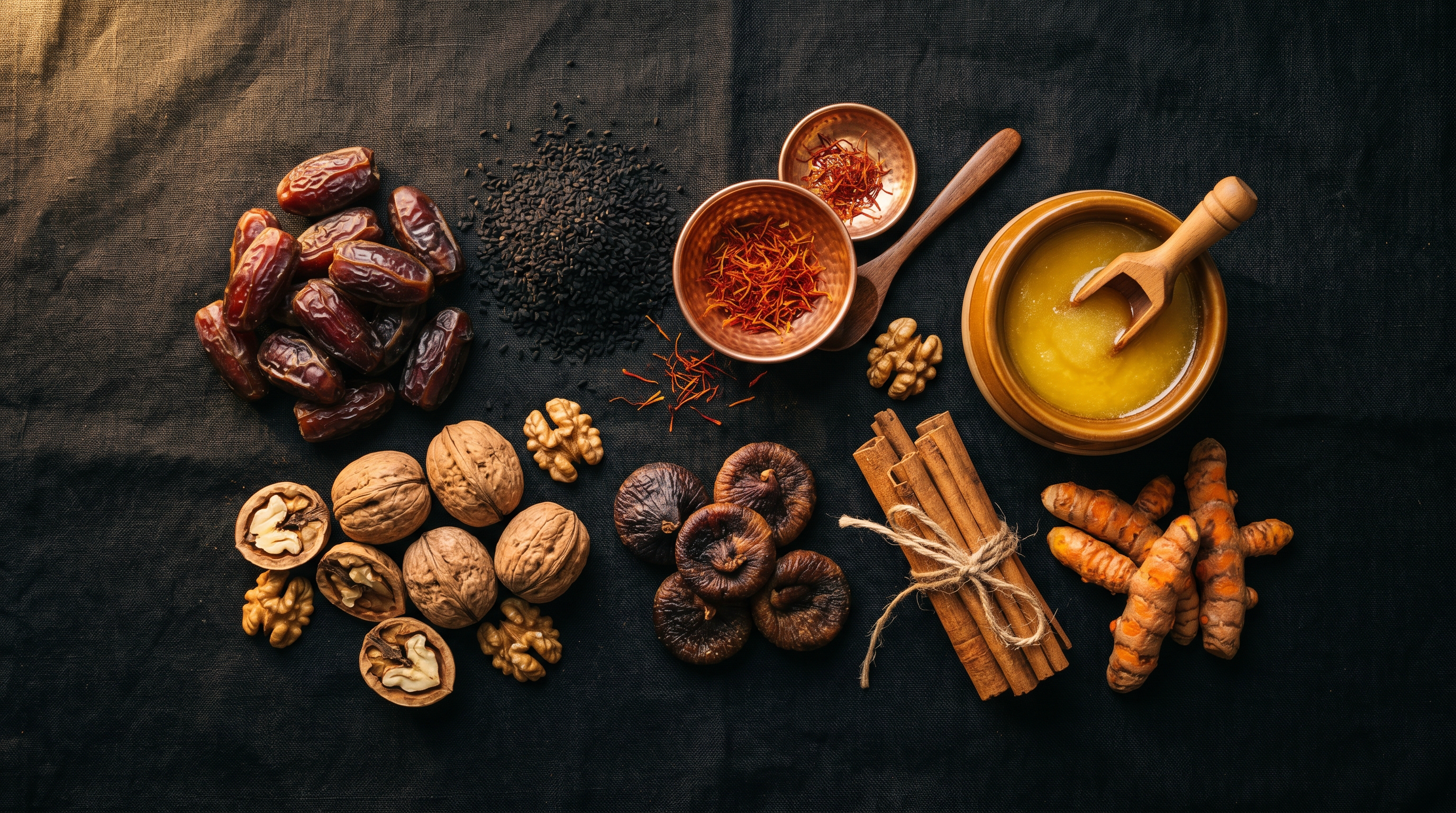
The first time, I did what I was told — rest when you can, eat what you can manage, it'll pass. It didn't pass. It was my mother's kitchen that changed things — watching her prepare the food she'd been taught to give a new mother, food I had quietly stepped away from because modern wellness culture called it heavy, old-fashioned, unnecessary. I began eating the way new mothers in my family had always eaten in the first forty days. My recovery was different — faster, sturdier, real.
Then came the reading, to understand why it worked. Nutrient depletion after birth. The hormonal cascade behind postpartum mood. The physical toll of pregnancy and delivery on the back and the gut. I found the science for things my family had always known — that the first forty days are not a footnote to recovery, they are the foundation of it.
I help mothers protect and restore their health through the first 40 days and beyond — the nutritional deficiencies, the postpartum depression, the back pain, every detail of what a body needs to truly recover from birth. Traditional food is my method. Full recovery is the goal.
↑ PLACEHOLDER COPY — EKRA TO REPLACE WITH HER OWN WORDS